Solvent Resistant Flooring
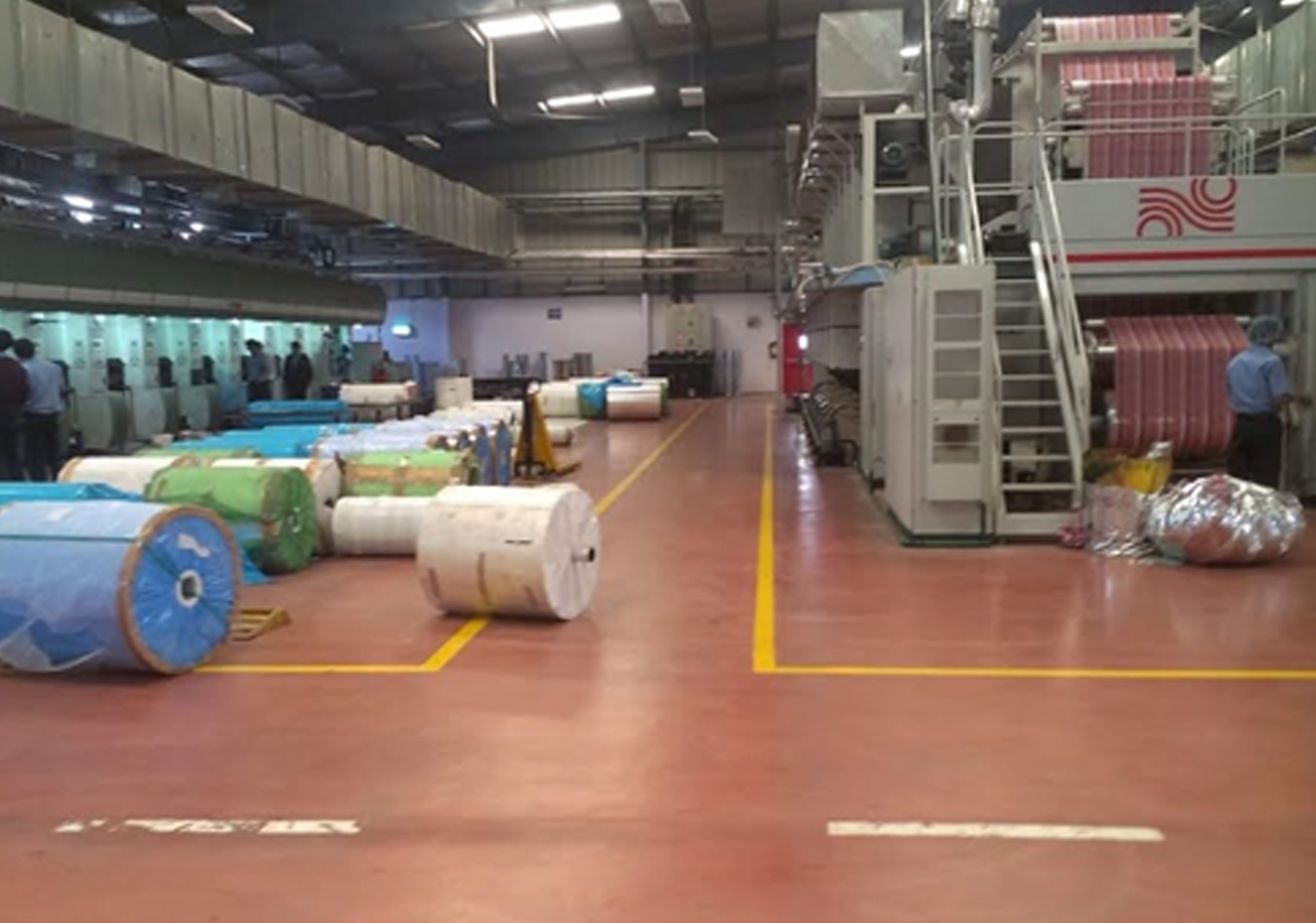
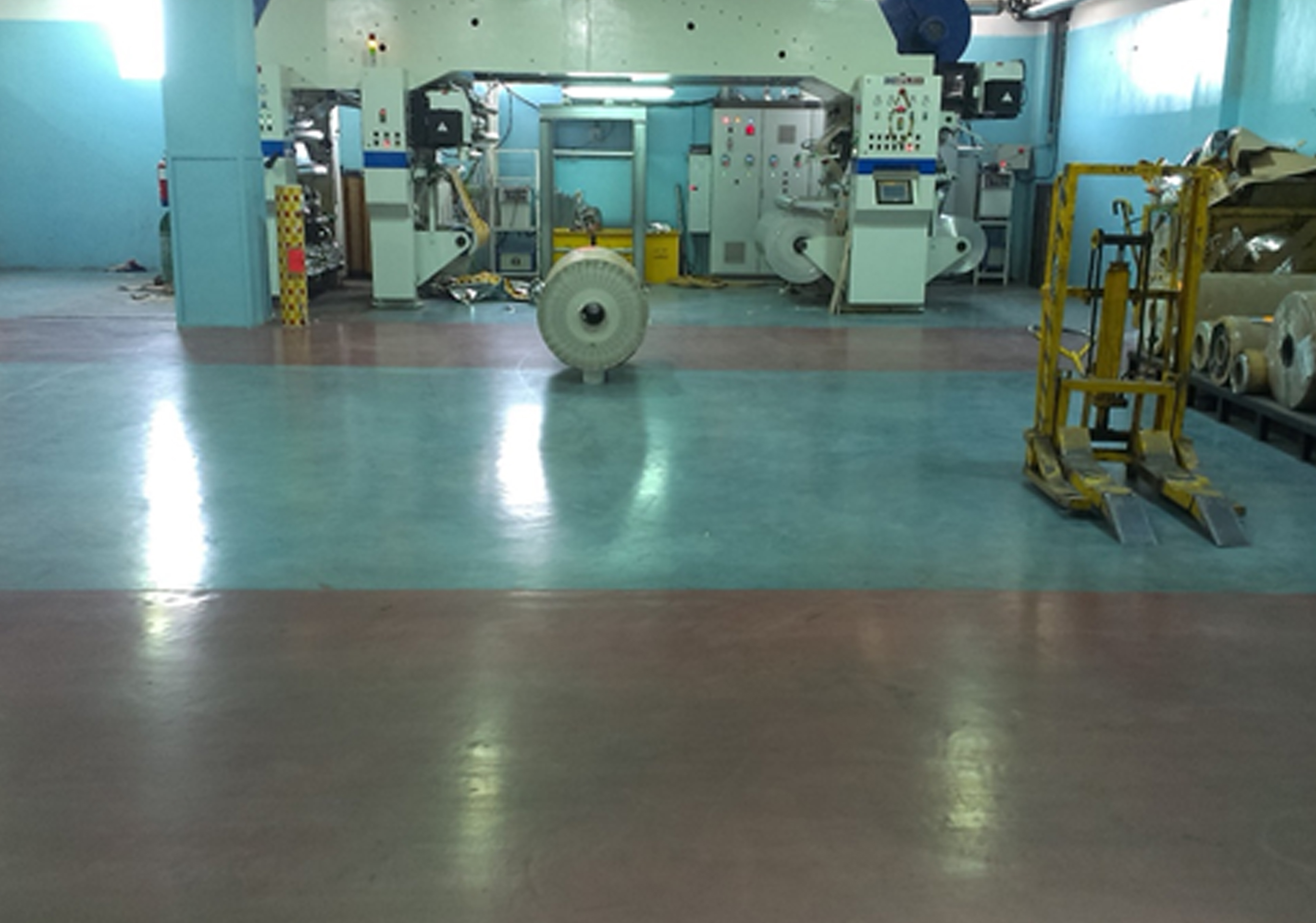
Industrial Flooring Solutions for Factories, Chemical Handling Areas and Manufacturing Plants
Looking for solvent-resistant flooring for your factory or industrial facility? Chemoxy Floorings offers specialised industrial flooring solutions for suitable environments where exposure to solvents, oils, and industrial chemicals is an important consideration.
Solvents can damage unsuitable flooring materials, penetrate porous surfaces, affect protective coatings, and increase maintenance requirements. Selecting the right solvent-resistant flooring system is essential to protect the floor, support routine cleaning, and maintain safe and efficient industrial operations.
Chemoxy Floorings provides specialised flooring solutions, including Chemoxy OSR Flooring, for industrial applications requiring oil and solvent resistance. Our solutions can be evaluated for manufacturing plants, soap and detergent factories, FMCG facilities, engineering units, workshops, and other industrial environments.
Whether you are installing a new factory floor or upgrading an existing damaged surface, Chemoxy Floorings can help assess your requirements and identify an appropriate flooring system for your application.
Need solvent-resistant industrial flooring in India? Contact Chemoxy Floorings to discuss your project requirements.
What Is Solvent Resistant Flooring?
Solvent-resistant flooring is an industrial flooring system selected to withstand exposure to specified organic solvents and other process chemicals without unacceptable deterioration.
Depending on the application, solvents may include cleaning solvents, degreasers, hydrocarbon-based fluids, and other chemicals used in industrial manufacturing and maintenance.
The performance of a solvent-resistant floor depends on the flooring material, formulation, surface protection, installation quality, and the chemicals to which it is exposed.
Not all industrial flooring systems resist every solvent. Some chemicals can soften coatings, cause swelling, reduce adhesion, discolour the surface, or penetrate the flooring material.
For this reason, the flooring system should be selected according to the actual chemicals present at the facility rather than relying on a general chemical-resistance claim.
Chemoxy OSR Flooring - Oil and Solvent Resistant Industrial Flooring :
Chemoxy OSR Flooring is a specialised industrial flooring solution designed for applications where resistance to specified oils and solvents is an important consideration.
It can be evaluated for suitable manufacturing and industrial environments that require a durable floor capable of handling their particular operating conditions.
Key Features to Consider :
-
Oil and solvent resistance : Suitability for specified oils, lubricants, and solvents, subject to compatibility assessment.
-
Industrial floor durability : Selection according to expected traffic, abrasion, and operational loading.
-
Surface maintainability : A suitable finish can support routine cleaning and maintenance.
-
Factory application suitability : Assessment for manufacturing, production, and material-handling areas.
-
Floor renovation potential : Assessment for manufacturing, production, and material-handling areas.
-
Application-specific specification : Consideration of chemical exposure, substrate condition, thickness, and curing requirements.
Actual performance depends on the specified system and the exposure conditions. For continuous immersion, frequent solvent spills, or aggressive chemical exposure, product-specific compatibility testing is recommended.
Applications of Solvent Resistant Flooring :
Chemoxy Floorings can evaluate solvent-resistant flooring solutions for suitable industrial applications across India.
1. Chemical Manufacturing Plants :
Chemical manufacturing facilities may handle solvents, cleaning agents, process liquids, and other substances that can affect conventional flooring.
The flooring system should be selected after identifying the exact chemicals, concentrations, temperatures, spill frequency, and potential exposure duration.
2. Soap and Detergent Manufacturing Units :
Soap and detergent production facilities may use oils, surfactants, cleaning chemicals, and specialised process ingredients.
Chemoxy OSR Flooring can be evaluated for suitable areas where oil and solvent resistance is required. Compatibility with the actual chemicals and washdown conditions must be established before installation.
3. FMCG Manufacturing Facilities :
FMCG factories often have production, packaging, maintenance, and utility areas with different flooring requirements.
Solvent-resistant flooring may be considered for selected zones exposed to specified cleaning solvents, lubricants, or process chemicals.
4. Engineering and Industrial Workshops :
Engineering facilities and maintenance workshops may experience solvent spills, degreasing operations, lubricant exposure, and mechanical wear.
The flooring specification should consider both chemical compatibility and the mechanical demands of the area.
5. Automotive and Machinery Facilities :
Selected automotive and machinery production or maintenance areas may require protection against specified oils, cleaning fluids, and solvents.
The flooring system must be compatible with the actual fluids used, including any specialised degreasers or cleaning products.
6. Industrial Maintenance and Cleaning Areas :
Areas used for equipment cleaning, component degreasing, or maintenance may experience repeated chemical exposure.
The selection process should account for the frequency of spills, contact duration, temperature, ventilation, and the cleaning procedure.
7. Existing Factory Floor Renovation :
Older industrial floors may require repair or resurfacing because of chemical damage, surface deterioration, or difficult maintenance.
Before installing a new flooring layer, the existing substrate must be assessed for contamination, deterioration, moisture, and compatibility with the proposed system.
Why Is Solvent Resistant Flooring Important for Indian Industries?
Industrial flooring in India may be exposed to demanding production schedules, high ambient temperatures, heavy equipment movement, and frequent cleaning.
A suitable solvent-resistant flooring system can help address specific chemical-exposure requirements while supporting the operational needs of the facility.
Important considerations include :
-
Protection against specified solvent exposure
-
Compatibility with industrial cleaning procedures
-
Resistance to expected mechanical wear
-
Suitability for the operating temperature
-
Ease of maintenance and spill removal
-
Compatibility with the existing concrete substrate
-
Appropriate curing time before the area returns to service
The flooring specification should be developed around the actual service conditions of the factory.
Step 1: Identify the Solvents :
Prepare a list of the solvents used in production, cleaning, maintenance, and equipment operation. Where possible, provide the chemical names and safety data sheets.
Step 2: Assess the Exposure Conditions :
Determine whether the floor experiences occasional splashes, frequent spills, prolonged contact, or continuous immersion.
Step 3: Consider Temperature and Concentration :
Chemical resistance can change with solvent concentration and temperature. Both should be considered during product selection.
Step 4: Evaluate Mechanical Requirements :
Assess forklift traffic, trolley movement, machinery loads, abrasion, and impact. The selected floor must satisfy both chemical and mechanical requirements.
Step 5: Check the Existing Substrate :
For renovation projects, evaluate concrete strength, cracks, moisture, contamination, and the condition of existing coatings.
Step 6: Verify Compatibility :
Confirm that the complete flooring system is suitable for the chemicals and service conditions. Laboratory testing or a controlled trial may be appropriate for demanding applications.
Solvent Resistant Flooring vs. Chemical Resistant Flooring :
Solvent resistance and chemical resistance are related but different requirements.
Solvents are a particular category of substances that may interact with flooring binders, coatings, and sealers. Other chemicals, such as acids and alkalis, can affect flooring systems through different mechanisms.
A floor that performs well against a particular solvent may not be suitable for a strong acid, alkali, oxidising agent, or another solvent.
For industrial facilities handling several chemicals, a compatibility assessment should cover every significant substance and exposure condition.
Can Solvent Resistant Flooring Be Applied Over Existing Concrete?
In suitable cases, an existing concrete floor can be repaired and resurfaced rather than completely replaced.
However, the success of a new flooring system depends on the condition of the underlying concrete and the extent of chemical contamination.
The assessment should consider:
-
Surface deterioration and concrete strength
-
Solvent penetration and contamination
-
Cracks, potholes, and damaged joints
-
Moisture conditions
-
Previous coatings and their adhesion
-
Required repair thickness
-
Compatibility of the proposed flooring system
Contaminated or weakened concrete may require mechanical removal or more extensive repairs before a new flooring layer can be installed.
Why Choose Chemoxy Floorings?
-
Specialised industrial flooring : Flooring solutions for factories, manufacturing plants, and industrial facilities.
-
Chemoxy OSR Flooring : A product option to evaluate for industrial applications requiring oil and solvent resistance.
-
Application-focused recommendations : Selection based on actual chemical exposure, traffic, loading, and site conditions.
-
Floor renovation considerations : Assessment of existing floors to determine whether repair, resurfacing, or replacement is appropriate.
-
Industrial project support : Flooring requirements can be discussed for suitable projects across India, subject to location and project scope.
Our objective is to help industrial customers identify an appropriate flooring system for their operating environment rather than select a product based on a generic chemical-resistance claim.
Frequently Asked Questions About Solvent Resistant Flooring ?
Q1 : What is the best solvent-resistant flooring for factories in India?
Q2 : Is Chemoxy OSR Flooring suitable for solvent-exposed factories?
Q3 : Is epoxy flooring always solvent resistant?
Q4 : Can damaged concrete floors be resurfaced with solvent-resistant flooring?
Q5: How do I maintain solvent-resistant industrial flooring?
Contact Chemoxy Floorings for Solvent Resistant Flooring in India :
Choosing the right solvent-resistant flooring system can help industrial facilities manage chemical exposure and maintain functional production areas.
If you require solvent-resistant flooring for a factory, chemical handling area, engineering workshop, FMCG plant, or industrial renovation project, contact Chemoxy Floorings to discuss your application.
Chemoxy Floorings - Specialised Industrial Flooring Solutions for India.
Website : https://www.chemfloor.com
To help us understand your requirements, share your factory location, approximate floor area, the names of the solvents used, the nature of exposure, and the current floor condition.
